



















VPN for Apps and Streaming: Privacy, Public Wi-Fi and What to Expect
A VPN encrypts your app and streaming traffic and hides your IP address from trackers, but it doesn’t change any service’s own rules. Here’s what a VPN for apps can and can’t do...


A VPN encrypts your app and streaming traffic and hides your IP address from trackers, but it doesn’t change any service’s own rules. Here’s what a VPN for apps can and can’t do...

The VPN with the largest server list isn’t automatically the right choice for watching foreign TV. A VPN to access foreign TV needs servers in the...

The best way to browse privately depends on what you need to protect. A VPN encrypts your connection, while Tor or a proxy may suit other privacy needs...

A VPN encrypts the traffic between your device and a VPN server, so websites see the server’s IP address instead of yours. Here is what that means at school, work or home...

A streaming library can change when your apparent location changes. Licensing agreements vary by region, and a VPN adds privacy, encryption and server choice to how you stream,...

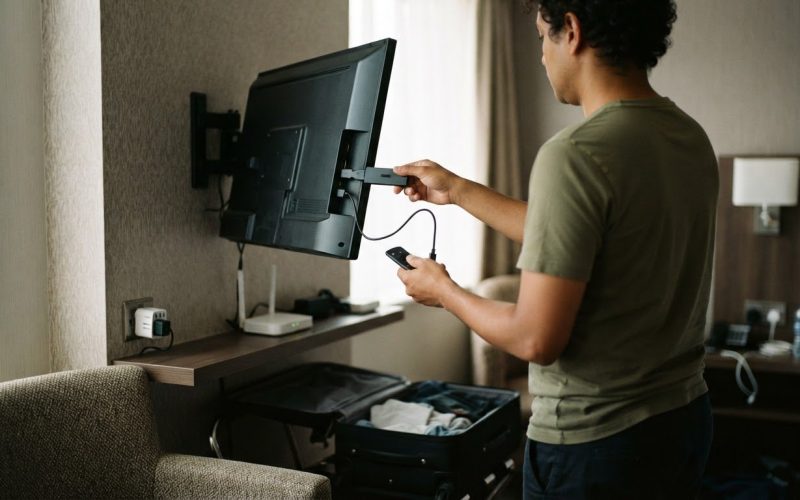
A VPN for streaming encrypts your traffic and hides your IP address from trackers, which is especially useful on hotel or public Wi-Fi. It can’t change a streaming service’s content licenses or terms...

A VPN can protect your privacy while you stream by encrypting your connection and hiding your IP address from trackers and other people on the same network...

Encryption protects the connection, not everything you do online. A VPN for data protection encrypts traffic between your device and a VPN server,...

A VPN is only as trustworthy as its privacy practices and security settings. A private VPN service provider should explain what data it keeps and...

A VPN is a privacy tool, not a legal green light. Using a VPN is legal in most countries, but local rules and network policies still apply...
No logs, ever. Start with Free with ads in under a minute.